Classification problems in deep learning usually come in two forms that even intermediate developers mix up. In multi-class classification, each input belongs to exactly one of more than two classes; in multi-label classification, each input can carry several labels at once, or none.
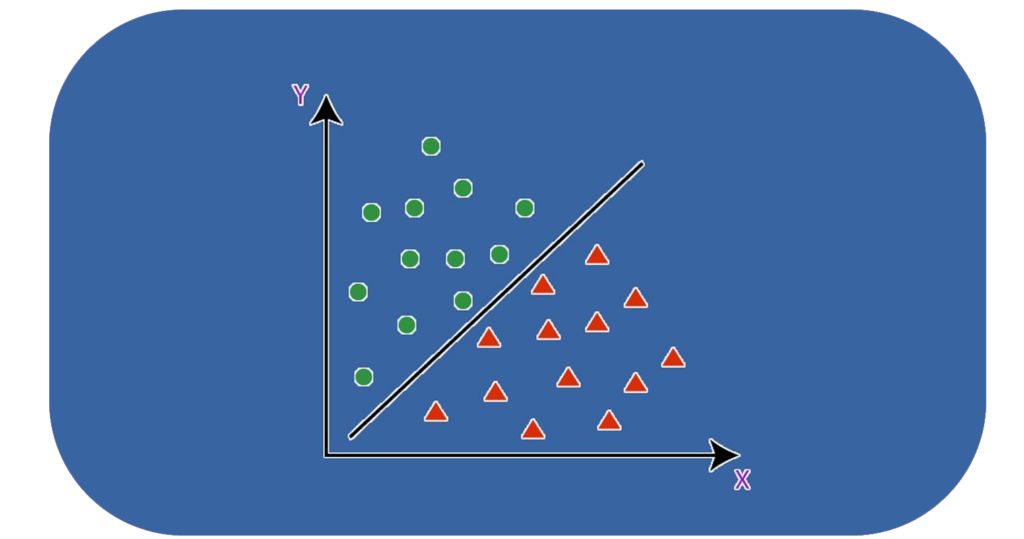
The article starts from binary classification (for example, product reviews labelled positive or negative) and explains why moving to many classes adds complexity, for instance an SVM needs more than one hyperplane. For multi-class problems such as telling a dog, rabbit, cat or tiger apart, the network ends with a softmax layer trained with log loss so that exactly one class is chosen, illustrated with movie ratings. For multi-label problems, such as predicting every item of clothing a person wears or the genres of a film, each output is treated as an independent yes-or-no decision. A real-life example contrasts film certificates (each film gets exactly one rating, such as U, U/A or A) with film genres (a film can be both comedy and romance). Two short true-or-false questions let readers test themselves.
The Arabic article is a translation of an English article. Read the original: Demystifying the Difference Between Multi-Class and Multi-Label Classification Problem Statements in Deep Learning (Analytics Vidhya).
Post links
- Via: CHIRAG GOYAL


